
Chikmagalur: Karnataka's Coffee Land Guide 2026
)
Discover Chikmagalur, Karnataka's coffee capital. Exploreestates, peaks, weather, best time to visit, and travel tips in this complete local guide.
Written by
Published on
TL;DR — At a glance
Discover Chikmagalur, Karnataka's coffee capital. Explore estates, peaks, weather, best time to visit, and travel tips in this complete local guide.
If you’ve ever sipped a cup of South Indian filter coffee and wondered where those beans actually come from, chances are the answer traces back to a small hill town tucked into the Western Ghats. Chikmagalur isn’t just another weekend getaway on Karnataka’s tourist map. It’s the place where Indian coffee cultivation began, and it remains one of the country’s most important coffee-growing regions to this day.
Spread across rolling hills at an elevation of roughly 1,090 meters, Chikmagalur (often spelled Chikamagaluru) combines misty mornings, sprawling coffee estates, and dramatic peaks like Mullayanagiri, the highest point in Karnataka. For travelers, it’s a nature lover’s dream. For business owners, coffee producers, homestay operators, and local entrepreneurs, it’s also a growing economic hub that’s attracting attention from tourists, investors, and digital audiences alike.
In this guide, we’ll walk through what makes Chikmagalur special, why it holds such an important place in India’s coffee story, the best time to visit, top attractions, and practical information for anyone planning a trip or running a business in the region. Whether you’re a traveler, a local business owner, or someone researching the area for the first time, this article is built to answer the questions people are actually asking, on Google and on AI search tools alike.
A Quick Snapshot of Chikmagalur
| Feature | Details |
|---|---|
| Location | Western Ghats, Karnataka, India |
| Elevation | Approx. 1,090 meters (3,576 ft) |
| Known For | Coffee cultivation, hill trekking, cool climate |
| Highest Peak | Mullayanagiri (1,930 meters) |
| Best Time to Visit | October to May |
| Nearest Major City | Mangaluru (about 100 km) |
| Nearest Airport | Mangalore International Airport / Kempegowda Airport, Bengaluru |
| Ideal Trip Duration | 2 to 4 days |
| Primary Industry | Coffee, tourism, plantation agriculture |
The Coffee Land in a Nutshell
Take a quick visual tour of Chikmagalur — the estates, the peaks, and the coffee culture that earned this region its “Coffee Land” title — in the presentation below from the F9XR Team.
The Birthplace of Indian Coffee
Long before coffee culture became a global phenomenon, Chikmagalur was already growing beans. According to local legend, a Sufi saint named Baba Budan brought coffee seeds from Yemen and planted them in the hills that now bear his name, the Baba Budangiri range. That’s generally regarded as the starting point of coffee cultivation in India, and it happened right here.
Today, Chikmagalur district is one of Karnataka’s largest coffee-producing regions, alongside Kodagu (Coorg) and Hassan. Karnataka as a whole accounts for a significant share of India’s total coffee output, and Chikmagalur’s Arabica and Robusta plantations are a major part of that contribution. The region’s mix of altitude, rainfall, and shade-grown cultivation methods gives its coffee a distinct character that’s valued both domestically and in export markets.
For anyone running a café, roastery, or specialty coffee brand, understanding Chikmagalur’s role in the supply chain isn’t just trivia. It’s genuinely useful context when sourcing beans, building brand storytelling, or marketing a product as authentically Indian-grown coffee.
Why the Climate Matters for Coffee Growing
Coffee, especially Arabica, is a fussy crop. It needs shade, consistent rainfall, well-drained soil, and a temperature range that doesn’t swing too wildly. Chikmagalur checks all these boxes:
- Average annual rainfall between 2,500 mm and 3,500 mm in many estate areas
- Temperatures generally ranging from 15°C to 28°C through most of the year
- Rich, well-drained laterite soil ideal for plantation crops
- Natural forest cover that provides shade for Arabica plants
This combination is exactly why coffee estates have thrived here for generations, and why the region continues to draw agricultural researchers, exporters, and coffee tourism ventures.
Top Things to See and Do in Chikmagalur
While coffee is the headline attraction, Chikmagalur offers a lot more for travelers who want a full hill-station experience.
1. Mullayanagiri Peak
As Karnataka’s highest peak, Mullayanagiri offers panoramic views of the Western Ghats. It’s a moderately easy trek, making it accessible for beginners, and the sunrise view from the top is often described by visitors as one of the best in South India. If you’re after a longer, wilder ridge trek with far fewer crowds, our Dzüko Valley guide covers a stunning meadow trek on the Nagaland–Manipur border.
 Mullayanagiri Peak stands at 1,930 metres, the highest point in Karnataka.
 The summit trail is a moderately easy trek that rewards you with sunrise views over the Western Ghats.
) Beyond Mullayanagiri, Chikmagalur’s misty hills hide coffee estates, waterfalls, and quiet village trails.
Beyond Mullayanagiri, Chikmagalur’s misty hills hide coffee estates, waterfalls, and quiet village trails.
2. Baba Budangiri Range
Beyond its historical significance as the origin point of Indian coffee, this range is also home to the Guru Dattatreya Peetha shrine, drawing both trekkers and pilgrims.
3. Coffee Estate Tours
Several estates around Chikmagalur now offer guided tours where visitors can walk through plantations, learn about the roasting process, and sample fresh, estate-grown coffee. This has become a strong niche within Karnataka’s tourism sector, blending agritourism with hospitality.
4. Hebbe Falls
A scenic waterfall located inside a private coffee estate, Hebbe Falls requires a jeep ride through dense forest, which is part of the appeal for adventure-seeking visitors.
5. Kemmangundi
A former summer retreat of the Mysore royal family, Kemmangundi offers cooler temperatures, well-maintained gardens, and views that rival many better-known hill stations.
6. Bhadra Wildlife Sanctuary
Home to tigers, elephants, and a wide range of bird species, this sanctuary is ideal for wildlife enthusiasts and adds an eco-tourism dimension to the region.
Best Time to Visit Chikmagalur
Chikmagalur is a year-round destination, but the experience changes significantly with the seasons.
October to February (Peak Season)
This is generally considered the best window. Temperatures stay cool and comfortable, skies are clear, and it’s an ideal time for trekking and estate visits.
March to May (Summer)
Warmer than winter but still cooler than most of Karnataka’s plains. This period is popular for those wanting a break from the heat elsewhere in the state.
June to September (Monsoon)
The region turns lush and green, waterfalls are at their fullest, and coffee estates look stunning. However, heavy rainfall can make trekking and road travel more challenging, so it’s better suited to travelers who don’t mind getting a little wet.
How to Reach Chikmagalur
By Air: The nearest airport is Mangalore International Airport, roughly 100 km away. Kempegowda International Airport in Bengaluru, around 245 km away, is another common option with more flight connectivity.
By Rail: Kadur Junction, about 40 km from Chikmagalur town, is the closest major railway station with good connections to Bengaluru and other cities.
By Road: Chikmagalur is well connected by state highways, with regular bus services from Bengaluru, Mysuru, and Mangaluru. The drive from Bengaluru typically takes around 5 to 6 hours depending on traffic.
Chikmagalur’s Growing Economic and Business Landscape
While coffee remains the backbone of the local economy, tourism has grown into a major second pillar. Homestays, resorts, adventure tourism operators, and local food businesses have expanded steadily over the past decade, particularly as travelers from Bengaluru, Chennai, and Hyderabad look for accessible weekend and short-break destinations.
This growth brings real opportunity, but also real competition. For small and medium business owners in Chikmagalur, whether you run a homestay, a coffee brand, a travel agency, or a local eatery, being discoverable online has become just as important as your physical location. A growing share of travelers now research destinations using search engines and increasingly AI-based tools before making a booking decision. That means having accurate, well-structured information about your business online isn’t optional anymore.
Practical Tips for Local Business Owners
If you run a business in or around Chikmagalur, here are a few actionable steps worth prioritizing:
- Claim and optimize your Google Business Profile. Make sure your address, hours, photos, and contact details are accurate and updated regularly.
- Use location-specific keywords. Terms like “Chikmagalur homestay,” “coffee estate stay Chikmagalur,” or “Mullayanagiri trek guide” help you show up for the searches people are actually making.
- Collect and respond to reviews. Genuine customer reviews build trust, and responding to them signals active, reliable management.
- Invest in a mobile-friendly website. A large share of travel research happens on phones, so a slow or clunky site can cost you bookings.
- Highlight your unique story. If you’re a coffee estate, share your growing process. If you’re a homestay, share what makes your location or hospitality distinct. Authentic storytelling performs well with both human visitors and AI-driven search tools that summarize content for users.
- Keep information consistent across platforms. Your business name, address, and phone number should match across your website, social media, and directory listings.
These steps matter more than ever now that AI search engines like ChatGPT, Gemini, and Perplexity increasingly pull structured, trustworthy information to answer user queries directly, sometimes without the user ever clicking through to a website. Businesses with clear, well-organized digital content are simply more likely to get referenced.
Coffee Culture Beyond the Estates
It’s worth noting that Chikmagalur’s identity as “Coffee Land” isn’t just about agriculture. It has shaped local cuisine, festivals, and even architecture. Many homestays and resorts are built on or near working coffee estates, giving visitors a genuine sense of plantation life rather than a manufactured tourist experience.
Local coffee festivals and estate-stay experiences have also helped position Chikmagalur alongside Coorg as one of South India’s leading coffee tourism destinations. For entrepreneurs, this opens doors for niche businesses: coffee tasting experiences, farm-to-cup cafés, specialty roasteries, and even coffee-themed retail products aimed at tourists looking for authentic souvenirs.
Key Takeaways
- Chikmagalur is widely regarded as the birthplace of coffee cultivation in India, with roots tracing back to Baba Budangiri.
- The region’s elevation, rainfall, and soil make it naturally suited for Arabica and Robusta coffee farming.
- Major attractions include Mullayanagiri Peak, Baba Budangiri, Hebbe Falls, Kemmangundi, and Bhadra Wildlife Sanctuary.
- October to May is generally the best time to visit, with October to February being peak season.
- Tourism has become a significant economic driver alongside coffee farming, creating opportunities for local businesses.
- A strong, accurate online presence is increasingly essential for homestays, estates, and local businesses to stay competitive in both traditional and AI-powered search.
Frequently Asked Questions
Q1: Why is Chikmagalur called the Coffee Land of Karnataka? Chikmagalur is called the Coffee Land of Karnataka because it’s widely believed to be the place where coffee cultivation first began in India, dating back to when Baba Budan planted coffee seeds in the surrounding hills. It remains one of the state’s largest coffee-producing regions today.
Q2: What is the best time to visit Chikmagalur? The best time to visit is between October and May, with October to February considered peak season due to cool, pleasant weather ideal for trekking and sightseeing.
Q3: How far is Chikmagalur from Bengaluru? Chikmagalur is approximately 245 km from Bengaluru, and the drive typically takes around 5 to 6 hours by road.
Q4: What is the highest peak in Chikmagalur? Mullayanagiri, at approximately 1,930 meters, is the highest peak in Chikmagalur and the highest point in the entire state of Karnataka.
Q5: Is Chikmagalur good for a weekend trip? Yes, Chikmagalur is a popular weekend destination, especially for travelers from Bengaluru and other nearby cities, thanks to its manageable travel time and mix of nature, adventure, and coffee estate experiences.
Q6: What type of coffee is grown in Chikmagalur? Chikmagalur primarily grows Arabica and Robusta coffee varieties, benefiting from its altitude, rainfall, and shade-friendly terrain.
Conclusion
Chikmagalur’s story is really a blend of two things: deep agricultural heritage and a fast-evolving tourism economy. It’s a place where centuries-old coffee traditions coexist with a new generation of homestays, cafés, and adventure tourism businesses trying to make their mark. For travelers, that means an experience that feels authentic rather than overly commercialized. For local business owners, it means real opportunity, but also the need to stay visible in an increasingly digital-first, AI-influenced search landscape.
That’s where getting the digital fundamentals right matters. From building a fast, mobile-friendly website to strengthening local SEO so your business shows up when travelers search for stays, estates, or experiences in Chikmagalur, having the right digital foundation makes a measurable difference. Teams like F9XR work with local and regional businesses on website development, website redesign, local SEO, and broader digital presence strategy, helping businesses in destinations like Chikmagalur turn online visibility into real, on-the-ground growth.
Sources and External Links
For official information, maps, and trip planning, we recommend consulting these primary sources directly:
- Chikkamagaluru District Official Tourism Page — the district administration’s official guide to attractions, routes, and local events.
- Chikmagalur on Wikipedia — background on the town’s history, geography, and the Baba Budangiri coffee legend.
- Chikmagalur on Apple Maps — directions, nearby listings, and a quick sense of the town’s layout.
- Chikmagalur Trip Ideas on MakeMyTrip — practical itineraries, hotel options, and sightseeing packages.
More Daily Gems from भारतByDay
Every day we publish one unique spot in India. Here are two more guides from our archive:
- Dzüko Valley: Nagaland’s Hidden Trekking Paradise — rolling wildflower meadows on the Nagaland–Manipur border.
- Chand Baori: Rajasthan’s Ancient Stepwell Marvel — the 1,000-year-old, 13-storey stepwell in Abhaneri.
Browse the full archive of every destination we’ve covered.
Further Reading
Keywords
Karnataka, Coffee Land of India, Western Ghats, Mullayanagiri, Coffee Estates Karnataka, Hill Station India, Baba Budangiri, South India Travel, Local SEO for Tourism Businesses
Copyright
© 2026 F9XR Team. This is an open-access article distributed under the terms of the Creative Commons Attribution License (CC BY). The use, distribution or reproduction in other forums is permitted, provided the original author(s) and the copyright owner(s) are credited and that the original publication in this journal is cited, in accordance with accepted academic practice. No use, distribution or reproduction is permitted which does not comply with these terms.
Disclaimer
All claims expressed in this article are solely those of the authors and do not necessarily represent those of their affiliated organizations, or those of the publisher, the editors and the reviewers. Any product that may be evaluated in this article or claim that may be made by its manufacturer is not guaranteed or endorsed by the publisher.
Related Articles

Dzüko Valley: Nagaland's Hidden Trekking Paradise
Discover Dzüko Valley, the stunning trekking destination on the Nagaland-Manipur border. Trek routes, best season, flowers, and travel tips inside.
Read guide →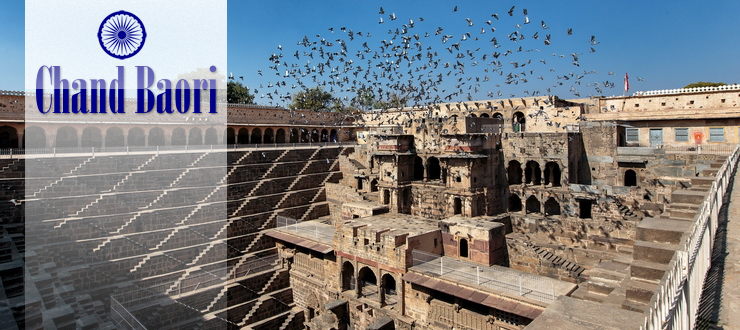
Chand Baori: Rajasthan's Ancient Stepwell Marvel
Explore Chand Baori, one of India's deepest stepwells in Abhaneri, Rajasthan. History, architecture, visiting tips, and why it still amazes travelers.
Read guide →
Comments